A drip is not an emergency, but it wastes water and can stain the basin. If water is running from the faucet body, the supply lines or the wall behind the sink, shut off the stop valves right away. If there are no working stop valves, close the main and call us. The line is answered 24/7.
This is an honest do-it-yourself guide. The job is within reach for most homeowners with a few tools and an hour or two. It also has points where the smart move is to stop, and we mark them clearly so you do not turn a drip into a leak in the wall.
Tools and parts to have on the counter
Gather everything before you shut off the water. A second trip to the hardware store with the sink in pieces is the usual way this job goes wrong.
- Adjustable wrench and pliers.Use a cloth under the jaws on chrome so the finish does not scratch.
- Screwdrivers and hex keys.Handle screws hide under small caps. A set of hex keys covers most set screws.
- Replacement cartridge or repair kit.Bring the old part to the store, or note the maker and model from the faucet body.
- Plumber's silicone grease.A thin coat on O-rings and seals helps them seal and move smoothly.
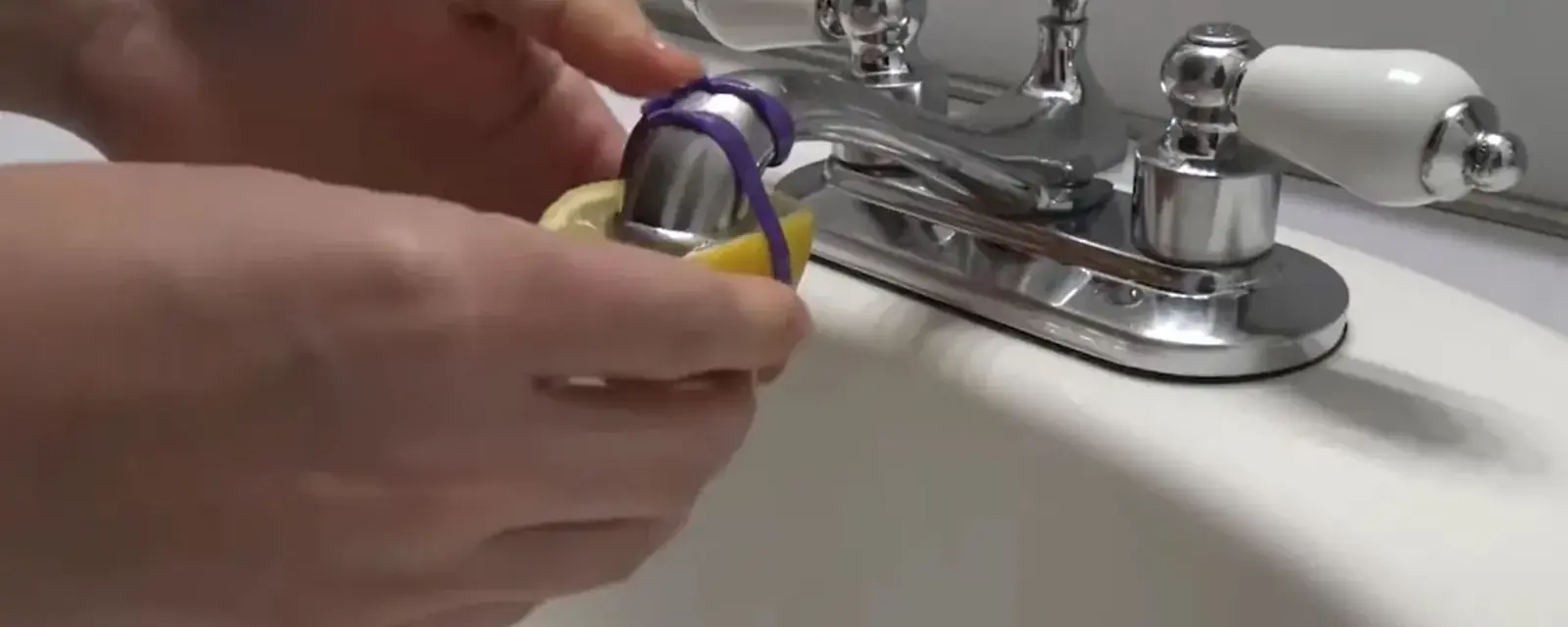
- White vinegar and a small brush.For scale on the aerator, the cartridge bore and the spout.
- Towel and a plug for the drain.A dropped screw into an open drain is the most common loss of the afternoon.
Identify your faucet type first
The repair depends on the design. Look at the handles and the finish, then match what you see.
| Type | How to spot it | What usually wears | Typical fix |
|---|---|---|---|
| Compression, two handles. | Handles turn several times to close. | Rubber washer and brass seat. | New washer, sometimes a seat dressing or replacement. |
| Cartridge, one or two handles. | Handle moves smoothly, a plastic or brass cartridge sits inside. | O-rings and the cartridge itself. | Replace the cartridge and O-rings. |
| Ball type, single handle. | Dome-shaped cap under the handle. | Seats, springs and the ball. | Replace the repair kit parts. |
| Ceramic disc, single handle. | Wide cylindrical body, usually quarter turn. | Seals under the disc cylinder. | Replace the cylinder or its seals. |
If you cannot tell the type, take a photo of the faucet and bring it to the parts counter.
The repair, start to finish
Work slowly and lay parts out in the order they came off. Phone photos at each stage make reassembly simple.
Shut off the supply.
Turn each stop valve under the sink clockwise to close. Open the faucet to drain and relieve pressure. If a stop valve will not turn or keeps dripping, stop here.
Plug the drain and remove the handle.
Pry off the cap, remove the screw and lift the handle. If it sticks, a little penetrating oil and patience beat force.
Pull the old part.
Unscrew the bonnet or retaining nut, lift out the cartridge or stem and note how it sits. Check the seat for pits or scoring.
Install the new part.
Match the old part exactly. Replace the O-rings and seals, grease them lightly, and seat the cartridge in the same orientation.
Reassemble and test.
Put everything back, open the stop valves slowly and run the faucet. Check under the sink with a dry paper towel after a few minutes.
After the test, look at the aerator. Unscrew it, rinse out any grit and put it back. If the faucet still drips from the spout, the seat or the cartridge is not the right match, and it is worth a call to our faucet repair service before you start swapping more parts.
Choosing the right part: cartridge, washer or seat
A dripping spout means the seal that closes the water is no longer closing. On a compression faucet, that is a washer pressed against a brass seat. If the seat is pitted, a new washer will not seal for long.
On a cartridge faucet, the whole cartridge is the valve. If the drip continues after new O-rings, replace the cartridge. Buy the same maker and model, not a close match, since small differences in length or notch pattern mean a bad fit.
Do not mix and match. If the faucet is old enough that exact parts are no longer made, a new faucet can cost less than hours of searching. That is a plumbing installation job, and we are glad to talk through the choice.
Replacing a cartridge is a repair any homeowner may do on a home they live in, as Minnesota Statutes section 326B.46 allows, unless a local ordinance says otherwise. Anything that alters supply lines or drains falls under the Uniform Plumbing Code (UPC) as the state adopted it.
Faucet repair not going to plan?
Call us. We will tell you whether to keep going, or send someone to finish it with a clear price before work starts.
Rosemount water: scale and spring flushing
The city lists its water at 17 grains per gallon and calls it hard. Scale builds up in aerators and on cartridge parts, and it acts like grit on rubber seals. When you open a faucet here, expect to find crust, so replace the O-rings and seals along with the cartridge. A soak in white vinegar for an hour loosens scale on aerators and metal parts, but keep vinegar off plastic parts and rubber seals longer than a short soak.
The city's 2025 water report lists reduced scale in pipes and fixtures as an advantage of softening, so a softener will slow this wear. It also says a malfunctioning softener can cause discolored water, which is worth checking if your faucet runs cloudy.
Each spring the city flushes its hydrants. The city says a temporary drop in pressure and some discoloration are normal during that time, and it advises running all cold taps for a few minutes. Do not diagnose a faucet while the water is sputtering or rusty. Wait until it runs clear, then check the aerator for grit.
Source: City of Rosemount Water page and Public Works FAQ (rosemountmn.gov), City of Rosemount 2025 Drinking Water Report, Pros and Cons of Home Water Softening.
Stop and call a plumber if you see these
A drip is cheap to fix. These problems are not, and forcing them makes them worse.
A stop valve that will not turn.
Seized valves can snap or start leaking at the stem. Do not crank on one. We can replace it and then fix the faucet.
No shutoff valves at all.
Older sinks often have none. Working on the faucet then means shutting off the whole house, and a stuck main makes it risky.
Corroded or crumbling stems.
If the stem threads or the bonnet are eaten away, parts will not seat and may break in your hand.
Leaks inside the cabinet or wall.
Water at the supply lines, the drain or behind the sink is not a faucet repair. Shut off the supply and call.
A cracked or loose faucet body.
If the body wobbles or has a hairline crack, replacement is the honest fix.
Neighboring towns, different water
Hardness varies by town. Apple Valley's city table lists its water at about 24 grains per gallon, so homes in Apple Valley see scale even faster than the 17 grains the city of Rosemount reports. Farmington reports roughly 16 grains. If you live in Farmington, the Rosemount advice applies almost unchanged.
Whatever your town, the approach is the same. Replace seals when you replace the cartridge, clean the aerator at the first sign of reduced flow, and fix a drip early. A faucet that drips for a year wears out the seat as well, and that turns a small job into a larger one.
Leaky faucet questions
For a cartridge swap, plan on an hour or two the first time, mostly for getting the handle off and finding the right part. Seized parts or corroded stems add time.
Yes, if there are working stop valves under the sink. If there are none, you have to shut off the main, and that is the point to consider calling us.
Usually the wrong part was installed, the seat is damaged, or scale scored a seal. Replace O-rings and seals along with the main part, and check the seat for pitting.
The city lists Rosemount water at 17 grains per gallon, which it calls hard. Minerals deposit on aerators and wear seals. A vinegar soak helps with metal parts, and a working softener slows the buildup.
Not usually. The city says temporary discoloration is normal after flushing. Run the cold taps for a few minutes until clear, then clean the aerator.
Replace it when parts are no longer made, when the body is cracked or when the finish is failing. For a faucet in good shape, a new cartridge is the cheaper answer.