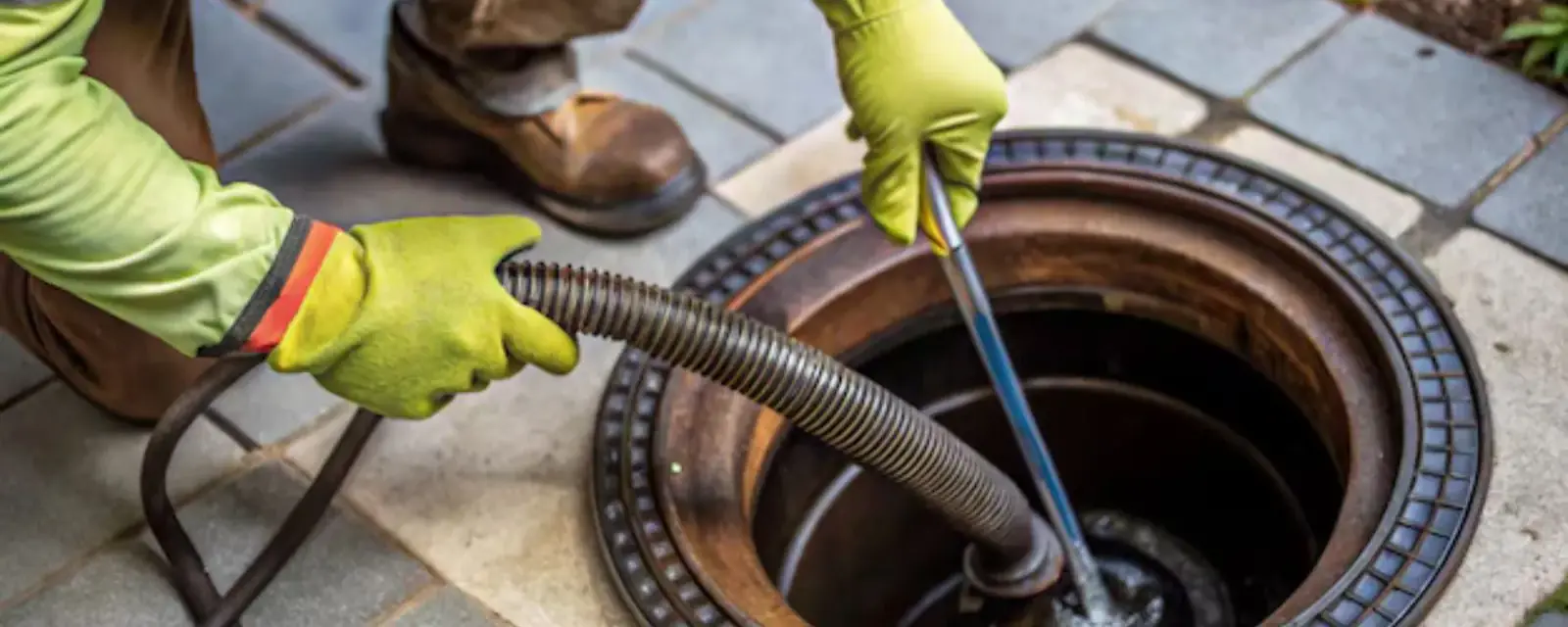
If sewage or dirty water is coming up in a basement drain, stop all water use in the house and call. The line is answered 24/7 for Rosemount sewer backups, and the plumber will tell you what to do while they are on the way.
A main line backup usually shows up in the lowest drain first. This page explains why, what to do while you wait, how roots turn cleaning into a stopgap, and where the homeowner's responsibility ends.
Sewage Coming Up? Do These Things First
A backup gets worse with every gallon sent down the line. These steps protect your home and your family while you wait.
- Stop every source of water.No flushing, showers, dishwasher or sinks. That includes the washing machine, which sends a large volume at once.
- Keep people out of the affected area.Sewage carries bacteria. Keep children and pets away from the basement, and do not touch the water with bare hands.
- Do not run the washer or dryer cycle.A washer drains straight into the same blocked line. Stop a load already in progress if you can do it safely.
- Stay out of standing water near electrical items.If water is near outlets, a furnace or the panel, do not walk through it. Shut off power at the panel only if it is dry and safe to reach.
- Open a window and keep the area ventilated.A sewer smell is unpleasant, and good airflow helps while you wait.
Same-day appointments are offered when available, and the line is answered nights and weekends, so a backup late on a Saturday is not left waiting for Monday.
Why the Floor Drain and Lowest Fixtures Back Up First
Sewage follows gravity. When the main line is blocked, wastewater has nowhere to go and rises to the lowest opening in the house. In most homes that is the basement floor drain, a basement shower, or the lowest toilet.
Gurgling is the earlier warning. Air trapped in a blocked line pushes out through the nearest trap, so you may hear the toilet bubble when the tub drains. Several fixtures slowing at once, or one drain affecting another, points past a simple fixture clog.
If only one sink is slow, the problem is probably local and a drain cleaning is enough. See drain cleaning for how that differs from a main line job.
Signs the Main Line Is Blocked
Some of these signs show up days before a full backup. Catching them early can keep the mess out of your basement.
Basement floor drain overflows.
Water or sewage rising in the floor drain is the clearest sign of a blocked main.
Multiple fixtures drain slowly.
Toilets, tubs and sinks all slow down together.
Gurgling or bubbling.
Air pushed back through traps makes noise at the toilet or tub.
Toilet water level changes.
The bowl rises, falls or bubbles when another fixture drains.
Sewer smell indoors.
A persistent smell near the floor drain or a basement bath.
Wet or lush spot in the yard.
A soggy patch or unusually green grass over the line can point to a leak or a blockage.
Floor drain rising or fixtures gurgling?
Stop the water and call. The 24/7 line is answered, and the plumber will tell you what to do before they arrive.
Your Pipe, the City's Main: Where Responsibility Changes
The city of Rosemount runs the public sewer, and homeowners own the private pipe from the house to the street sewer main. The city's Sanitary Sewer page says property owners are responsible for backups in that service line.
The city also camera-inspects its own sewer mains every three years. That is a practical clue when a backup happens. If a plumber clears your line at the street and the problem is gone, the blockage was in the private pipe. If the city main were the problem, neighbors on the same street would usually be affected too.
If you suspect the main under the street is the problem, such as several homes backing up at once, call the city utilities office as well as us. We can clear and inspect your private line either way, and the camera recording helps show where the blockage sits.
Source: City of Rosemount Sanitary Sewer page (rosemountmn.gov)
Roots in the Line: When Cleaning Is Only a Stopgap
Tree roots find small gaps at pipe joints and grow inside the pipe looking for water. A cable with a cutting head clears the roots out, and the line works again. The roots grow back, often within a year or two, and the cycle repeats.
That makes cleaning a stopgap when roots entered through a damaged joint. A camera shows where roots enter and how the pipe looks around them. If the joint is cracked or offset, repair is the lasting answer, and the plumber will explain the options on the sewer line repair page.
If the pipe is sound and roots are light, regular cleaning may be enough. Some owners clean on a schedule rather than dig up a yard, and that is a fair choice when the pipe passes the camera look.
Cleaning Now or Repair Later: How the Decision Is Made
Whether cleaning is enough depends on what caused the blockage. This table shows the common causes and the usual response.
| Cause of the backup | Cleaning enough? | What to expect |
|---|---|---|
| Grease, paper or a wipe plug | Usually yes | Clear it, then change habits. Consider hydro jetting if grease coats the line. |
| Light roots, pipe sound | Yes for now | Clear it and watch. Cleaning may need to repeat. |
| Heavy roots in a cracked joint | Stopgap only | Clean now, plan repair after the camera look. |
| Belly or low spot holding water | Sometimes | Clear it and monitor. Repair if it clogs again. |
| Collapsed or broken pipe | No | Cleaning cannot pass the break. Repair or replacement is needed. |
The camera look is what turns the guess into a plan.
How a Sewer Line Cleaning Visit Goes
A typical sewer line cleaning follows three stages.
Find the blockage.
The plumber checks the lowest drain and the cleanout to learn how far the blockage is from the house.
Clear the line.
A cable or jetter opens the line. Roots are cut and debris is pulled out or flushed to the main.
Look and explain.
A camera confirms the line is clear and shows roots, cracks or low spots. You hear whether cleaning is enough.
What Changes the Price of a Sewer Line Cleaning
We give a clear price before work starts. These are the factors that move it.
Sewer backup damage is often excluded from standard home insurance unless a rider was added. Check your policy and take photos of any damage before cleanup.
Sewer line backup questions
Yes. The line is answered 24/7. Stop all water use first, keep people out of the wet area, and call.
It is the lowest opening in the house, so wastewater reaches it first when the main line is blocked.
The city says homeowners own the private pipe from the house to the street main and are responsible for backups in it. If the city main is the problem, the city handles that part.
If clearing your line at the street fixes the problem, it was in your private pipe. Several neighbors backing up at once points to the main, and you should also call the city.
No. A washer sends a large volume of water into the same blocked line. Avoid all water use until the line is cleared.
Often yes, if they entered through a crack or offset joint. A camera shows whether repair is the better long-term answer.
It carries bacteria, so keep children and pets away and avoid touching it. Do not walk through water near electrical equipment.